AI Reimagines Ancient Egyptians
What did ancient Egyptians really look like? It’s a question that has fascinated historians, artists, and curious minds for centuries. We’ve seen their depictions in hieroglyphs, wall paintings, and statues—but what if we could see them as living, breathing humans?
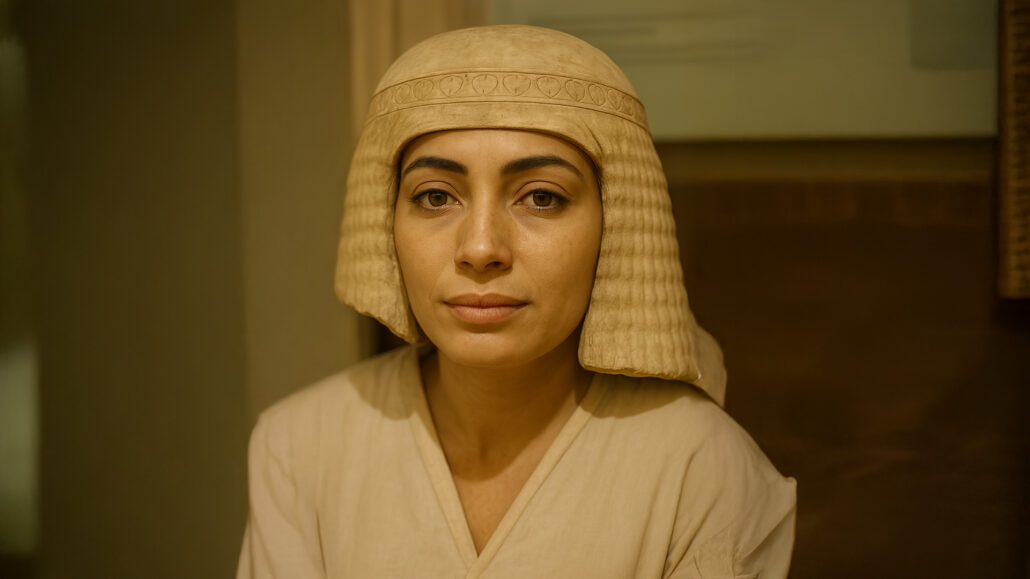
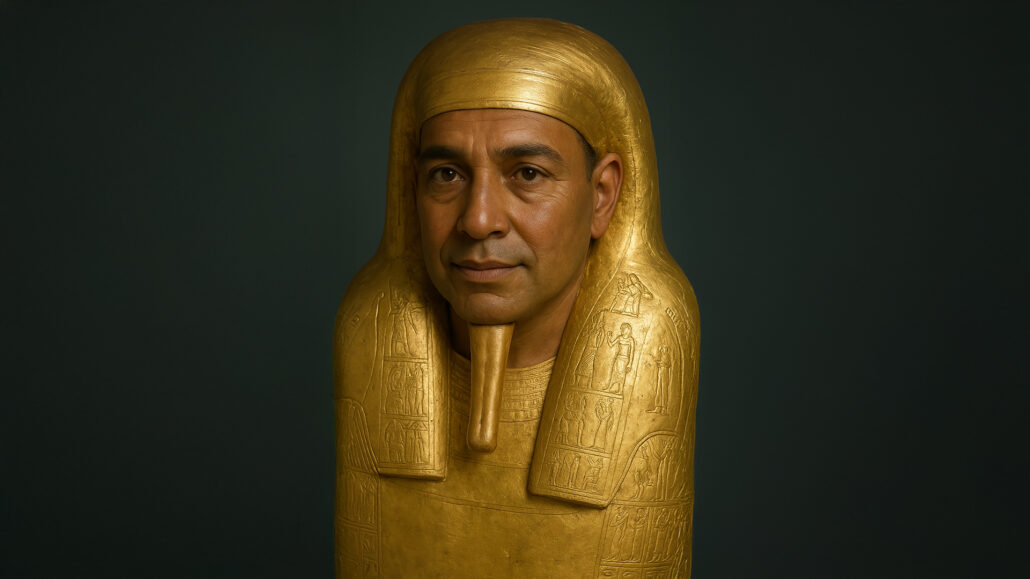
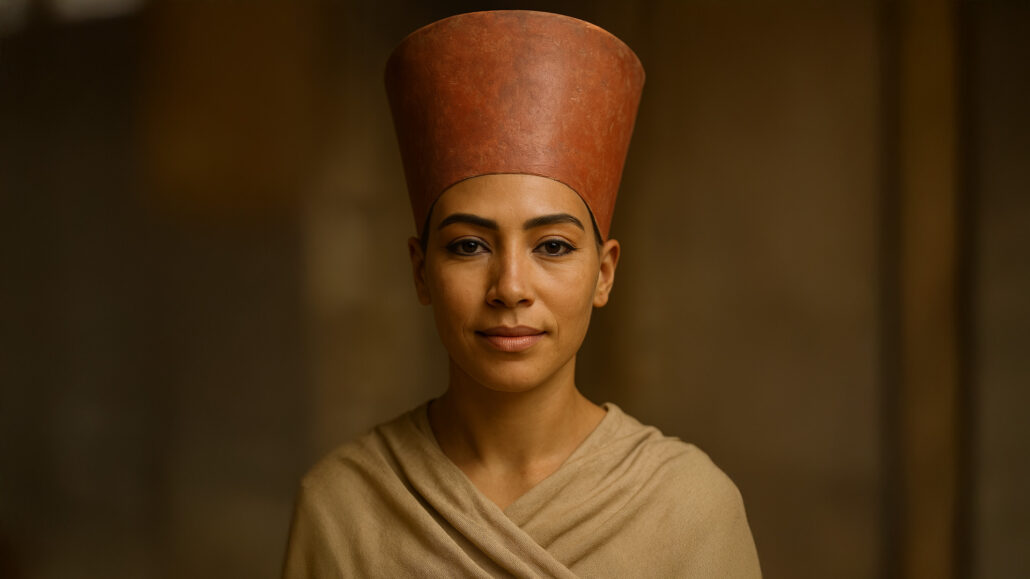
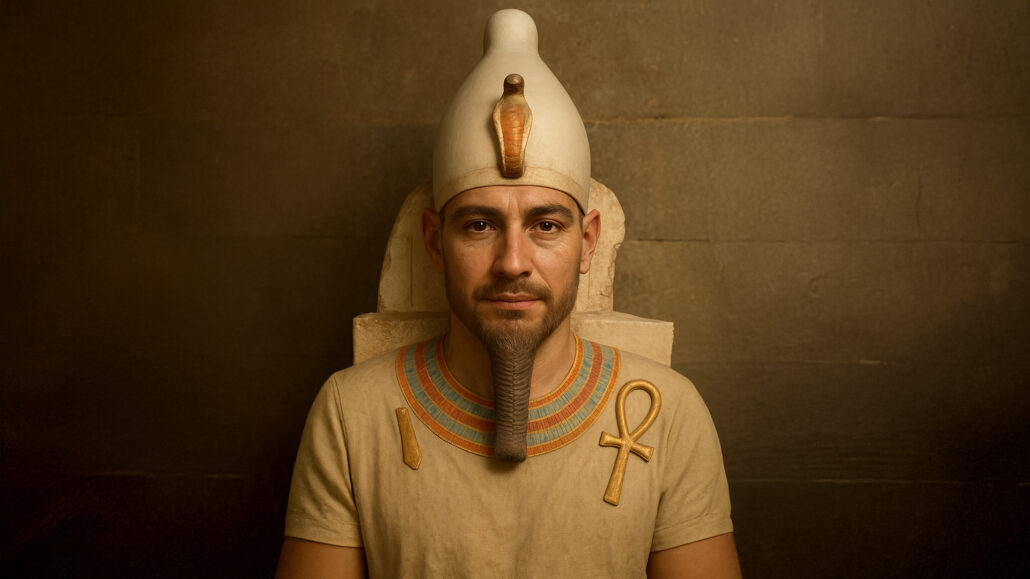
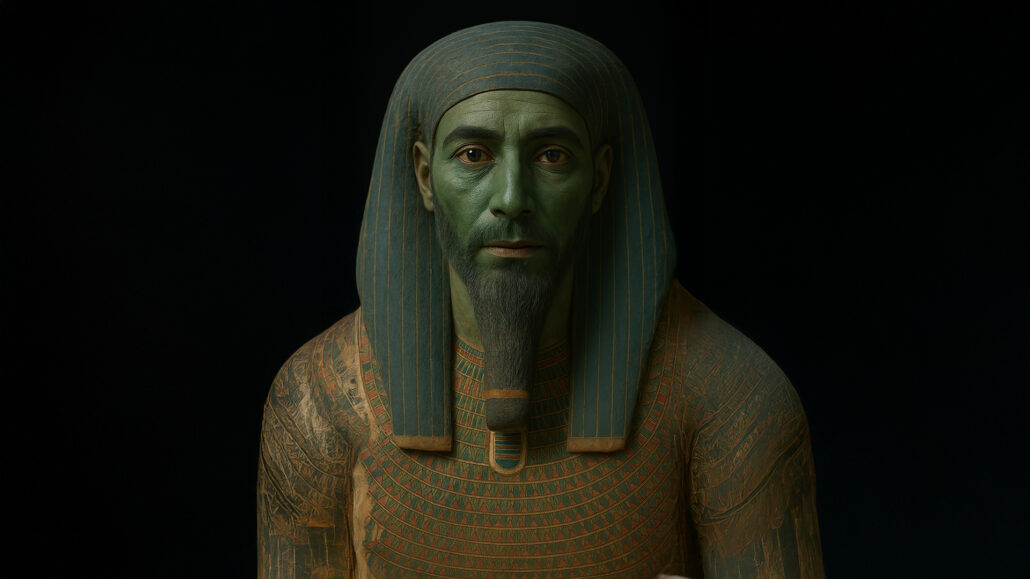
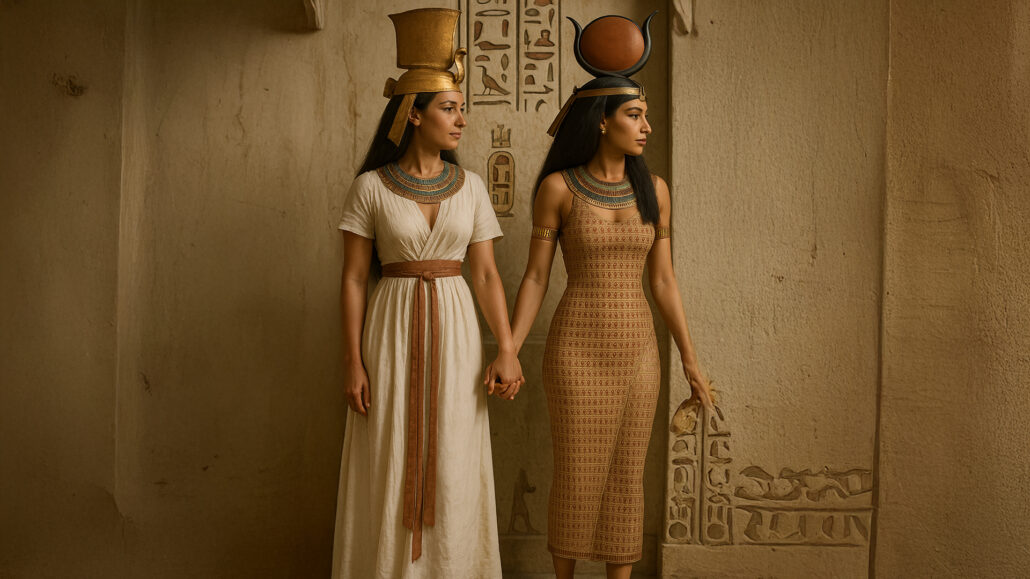
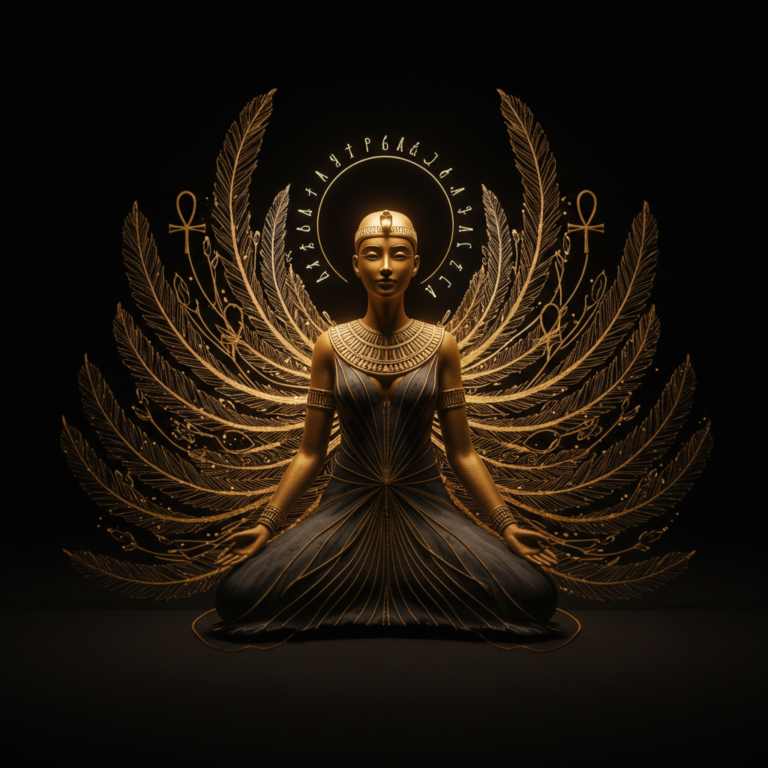
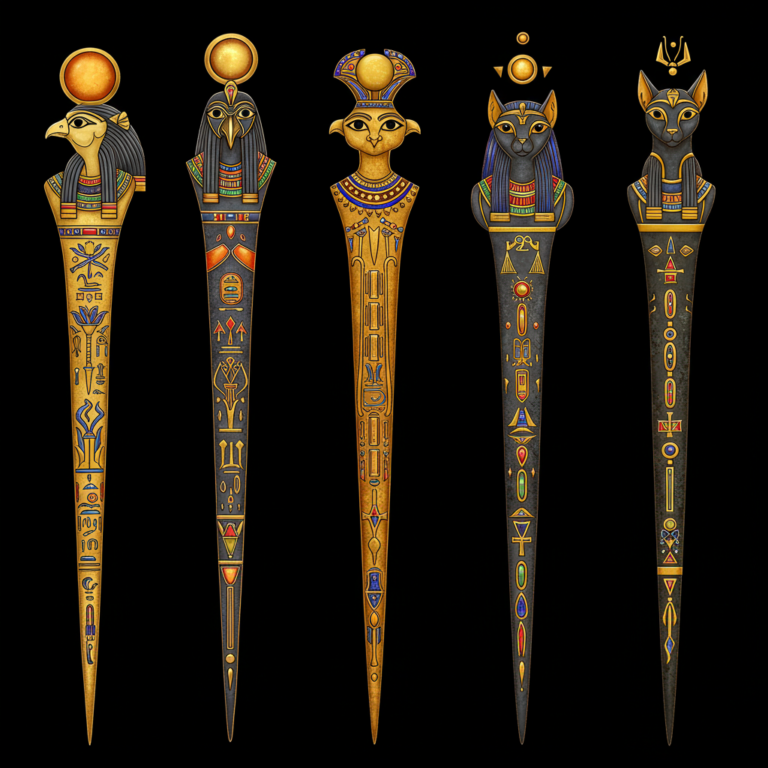
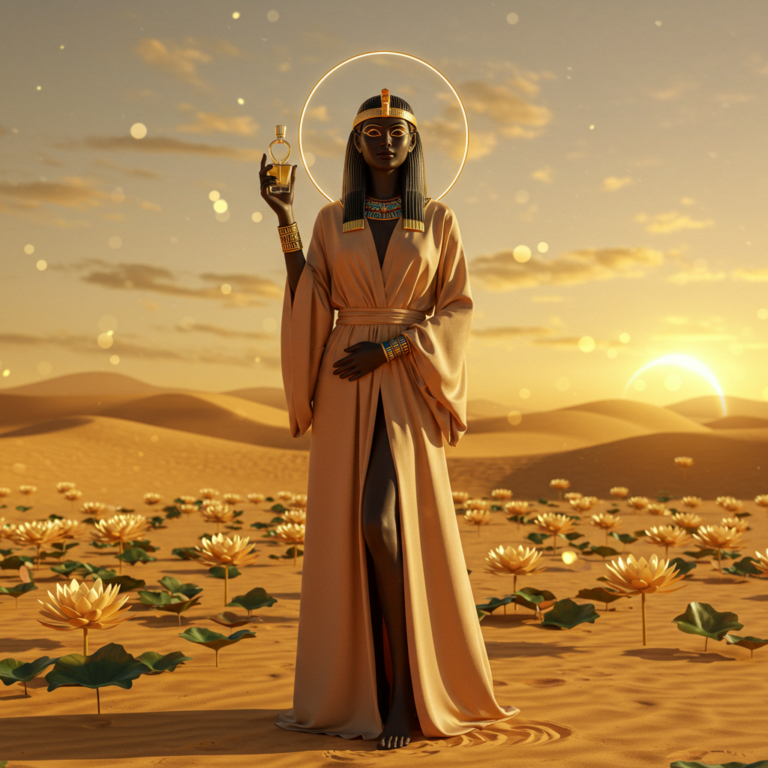
Thanks to artificial intelligence, I embarked on a creative experiment to generate realistic portraits of ancient Egyptians using AI tools and high-resolution images of ancient art. The results were nothing short of magical.
From Stone to Soul: Bringing Ancient Egypt to Life
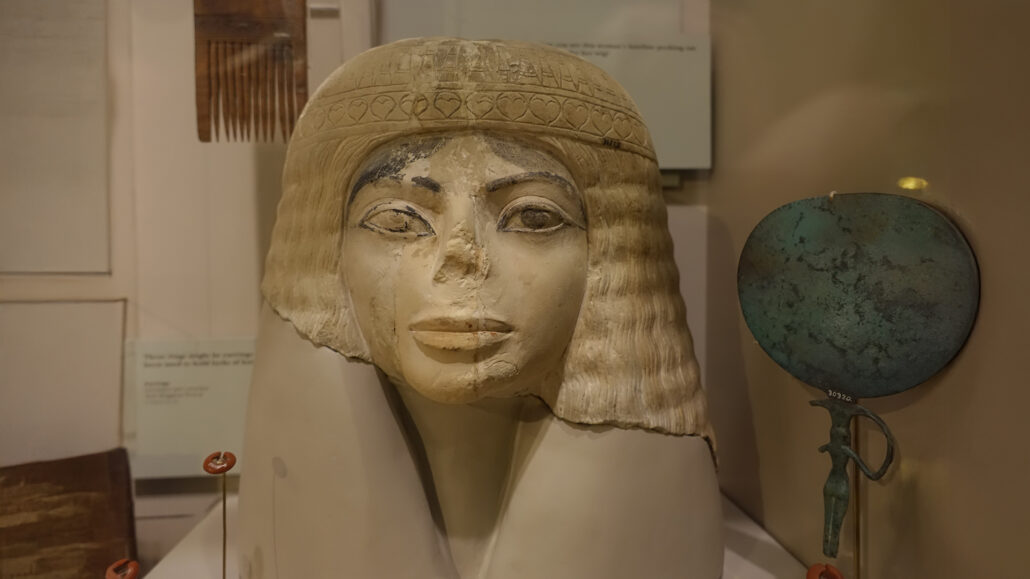
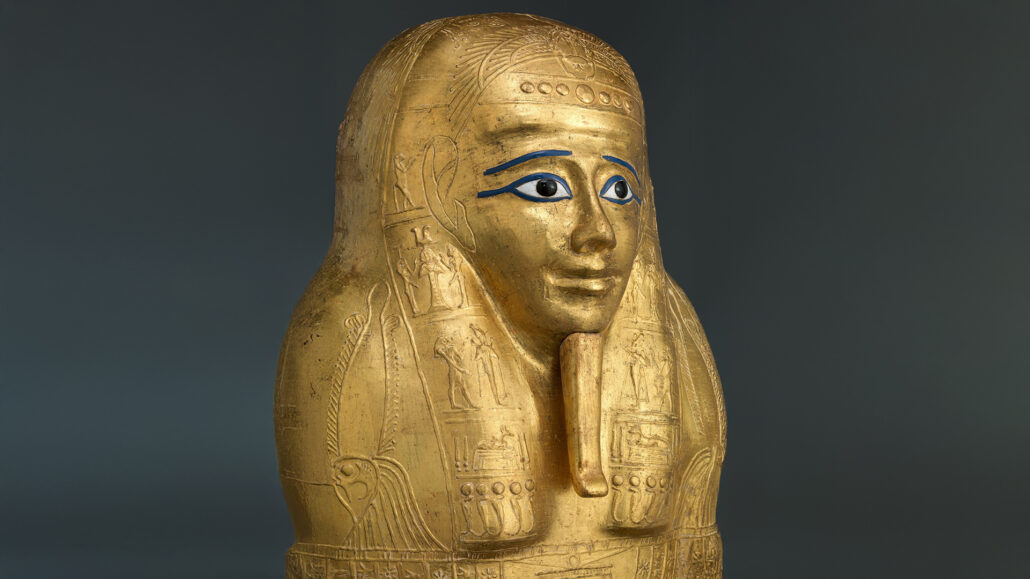
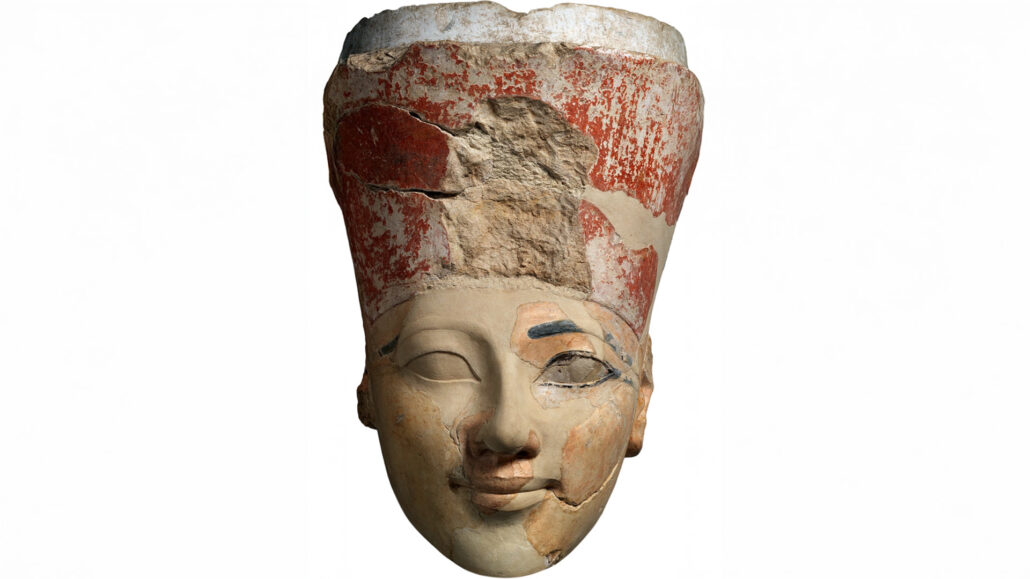
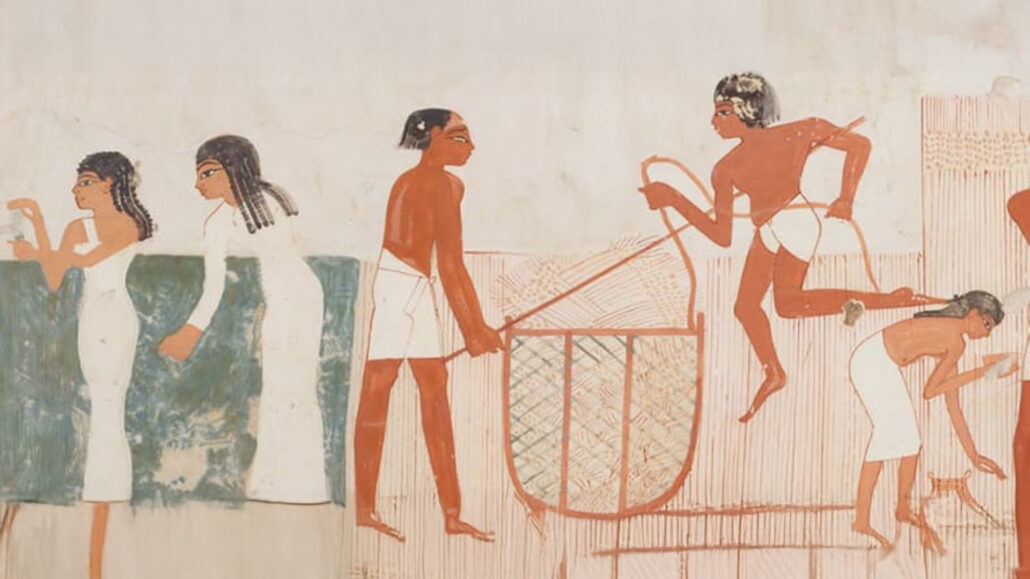
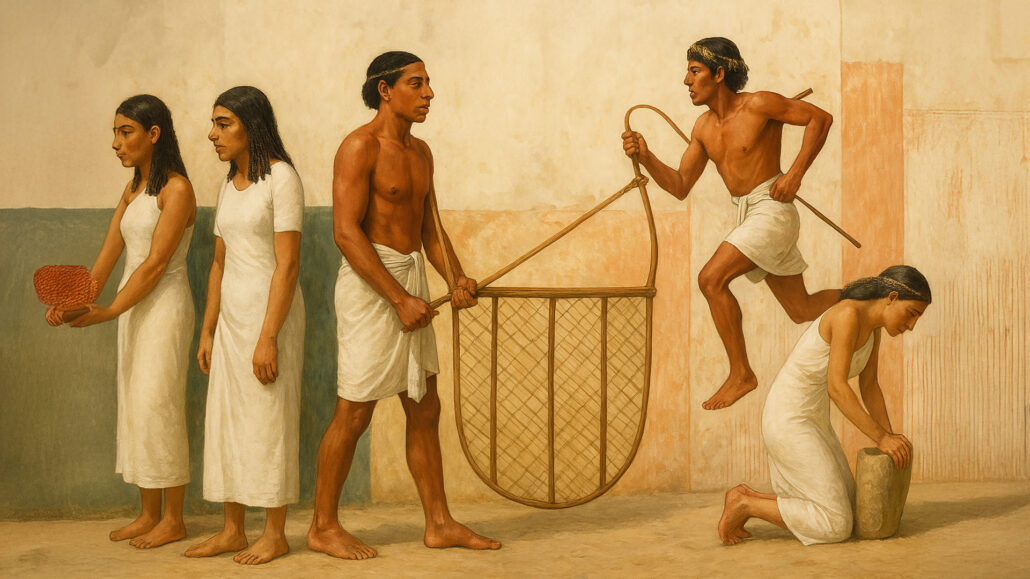
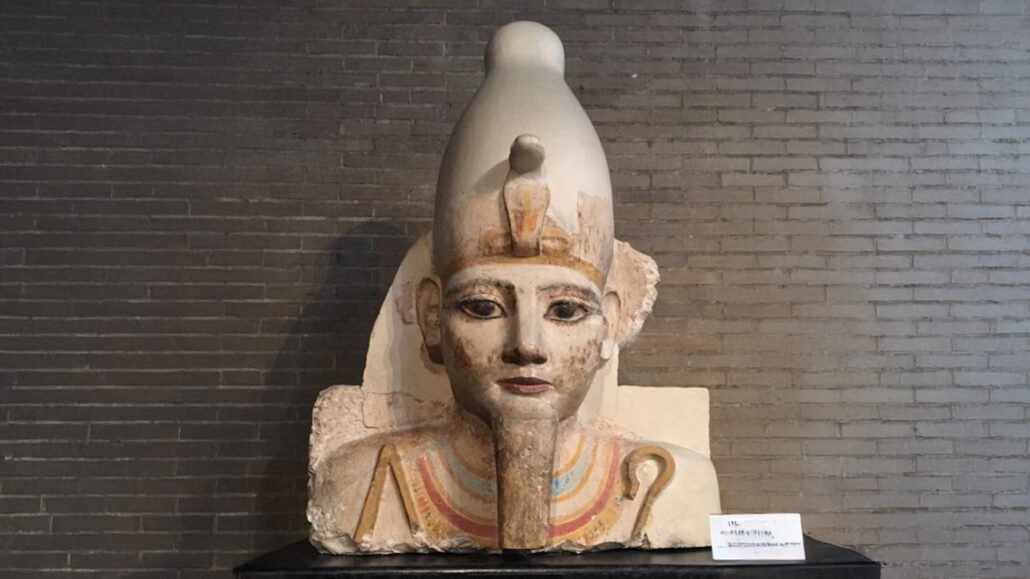
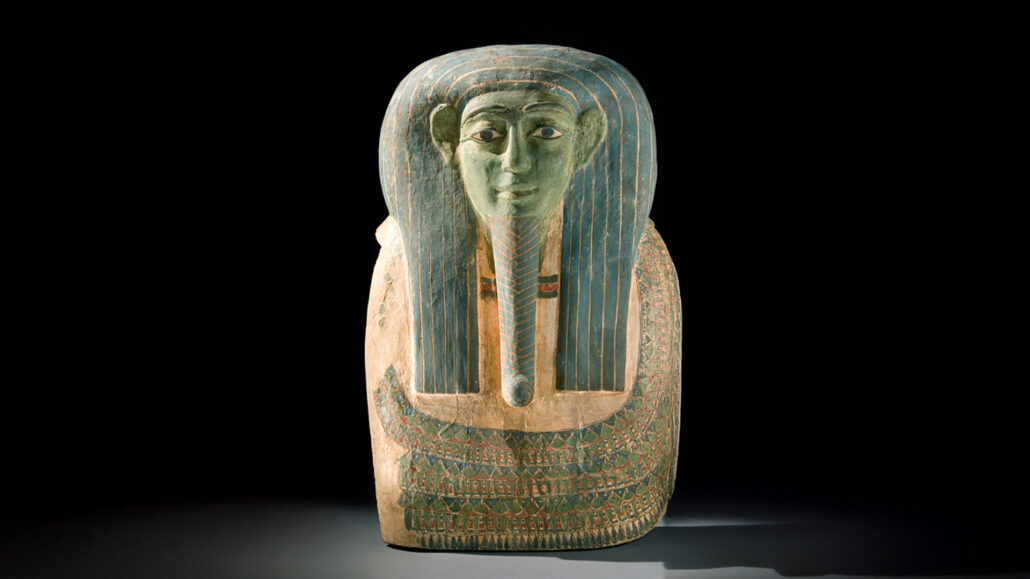
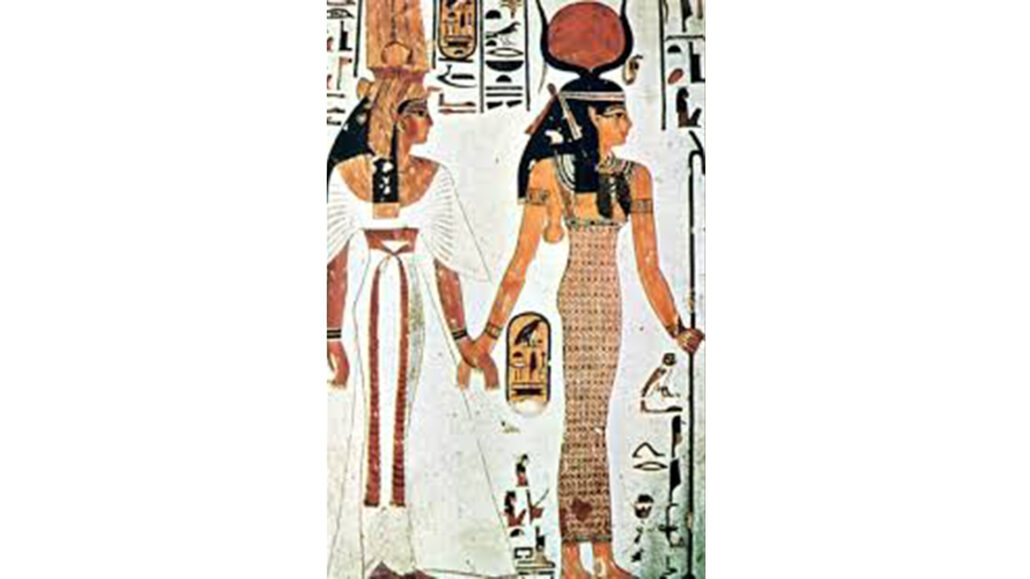
Using AI, I reinterpreted dozens of statues, wall reliefs, and tomb paintings into hyper-realistic, human-like images. The goal wasn’t to “correct” history, but to breathe life into the legacy of these incredible people.
- Pharaohs transformed from distant rulers to familiar, expressive faces.
- Queens, priestesses, and scribes appeared with warmth, strength, and subtle emotion.
- Commoners—often overlooked—became vivid reminders of the daily life that once flourished along the Nile.
Each image told a story, not just of a civilization, but of human connection across time.
Are These Images Historically Accurate?
Let’s be clear: these AI portraits are inspired interpretations, not exact reconstructions. They’re meant to honor the original art while imagining how these individuals might have appeared in life. The AI didn’t invent anything—it translated existing shapes, expressions, and symbolism into realistic human features.
And while some of the results may not be flawless, they feel surprisingly close to reality—sometimes hauntingly so.
Why It Matters
History often feels distant. But when you see a face that looks like it could speak to you, laugh, grieve, or dream—it creates a bond. It reminds us that the people who built pyramids, wrote in hieroglyphs, and worshipped the sun weren’t myths. They were us.
This project was about curiosity, imagination, and connection—and I hope these portraits inspire that in you too.